
Best Mega Evolutions Tier List Pokemon GO
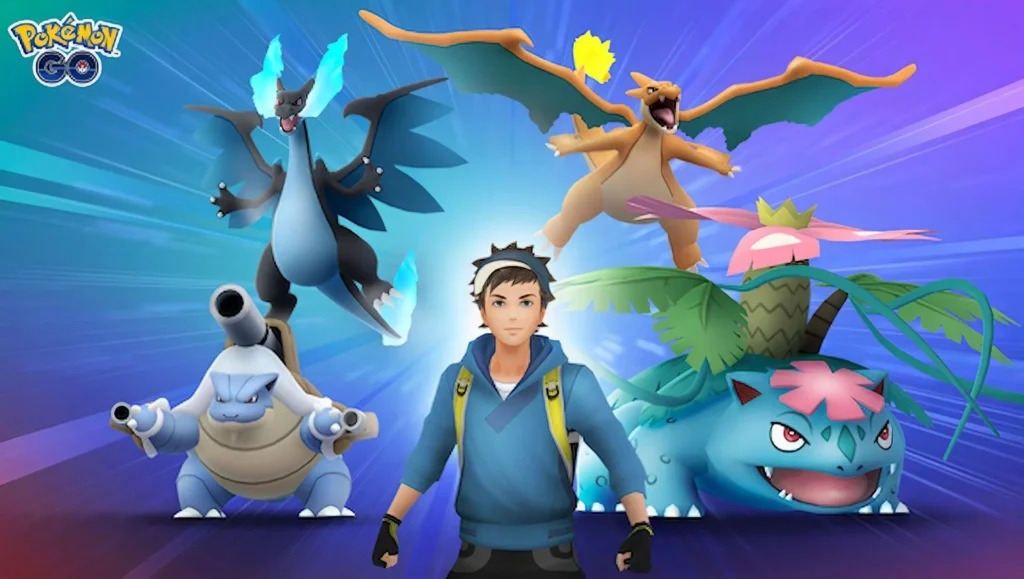
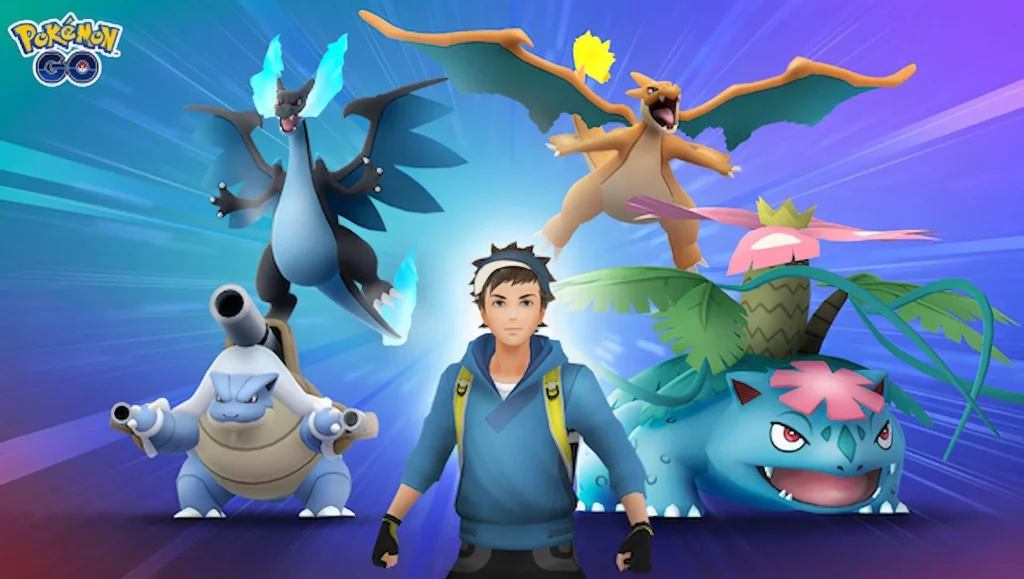
Best Mega Evolutions Tier List
Mega Evolution has reshaped Pokémon GO’s competitive landscape, turning ordinary raid parties and gym rosters into hyper-charged offensive units. Trainers seeking the best Mega Evolutions tier list need accurate, current data to know which Megas actually dominate raids, gyms, and PvP simulations. This guide breaks down every top-tier Mega, their optimal builds, and the exact strategies to maximize their battle output.
Best Mega Evolutions Tier List: Top Picks Ranked
S-Tier Megas define the current meta and should be prioritized for Mega Energy investment. Mega Rayquaza leads the pack with a staggering Attack stat of 337, making it the single best DPS unit in the game across both Dragon and Flying-type raids. Mega Gengar remains the premier Ghost-type attacker with access to Shadow Claw and Shadow Ball, while Mega Kangaskhan offers unmatched Normal-type versatility with a low mega-cost after initial unlock. These three Pokémon consistently top DPS charts and should anchor any serious raid roster.
A-Tier picks deliver excellent value with slightly narrower application. Mega Charizard Y and Mega Charizard X split Fire and Dragon coverage effectively, with Charizard Y hitting Solar Beam for devastating Water/Ground/Rock matchups. Mega Blastoise and Mega Swampert provide top-tier Water coverage for Fire, Rock, and Ground raids, while Mega Garchomp brings elite Dragon/Ground dual-typing that punishes Electric-type raid bosses hard. Mega Alakazam remains the fastest Psychic attacker in the game, critical for countering Fighting-type raids like Machamp or Conkeldurr.
B-Tier Megas still see competitive use in niche scenarios but lack the raw stats of higher tiers. Mega Aerodactyl, Mega Houndoom, and Mega Slowbro fill specific typing gaps—Rock/Flying, Fire/Dark, and Water/Psychic respectively—making them situational raid counters rather than universal powerhouses. For trainers struggling to secure these rare Mega-eligible Pokémon or their evolved Shundo counterparts, the Pokémon GO Raid Service guarantees efficient acquisition without the grind of remote raid RNG.
Mega Evolution Mechanics: Energy, Costs, and Duration
Understanding the resource economy behind Mega Evolution is essential before committing to any tier list strategy. The first-time Mega Evolution for any species requires the highest Mega Energy cost—typically 200 Energy for most starters and pseudo-legendaries like Garchomp. Subsequent Mega Evolutions of the same species cost significantly less, often dropping to 40-80 Energy, which is why trainers should prioritize unlocking a Mega once and re-activating it repeatedly rather than spreading energy across multiple new species.
Mega Energy is earned primarily through Mega Raids, Mega-evolving your own Pokémon repeatedly, and periodic research task rewards during special events. The Mega boost lasts 8 hours upon activation, though it can be extended for shorter increments (typically 2-3 hours) if you Mega Evolve the same species again before the timer expires, stacking additional duration without spending full energy costs. This mechanic rewards trainers who plan Mega usage around raid hours, Community Days, or Spotlight Hours to maximize the 8-hour window across multiple battles.
The Candy cost for power-ups on Mega-eligible Pokémon is notably steep, especially for pseudo-legendaries and starters requiring Level 40-50 investment for competitive IVs. Because Mega-viable Pokémon often demand extensive power-up grinding to reach raid-ready or PvP-ready CP thresholds, trainers frequently exhaust their Stardust reserves quickly. The Pokémon GO Stardust Service provides a direct solution for accumulating the resources necessary to fully power up multiple Mega candidates without months of passive grinding.
Best Team Compositions Using Top Mega Evolutions
Optimal raid teams pair a single Mega Evolution (the boost applies to your entire party, not just the Mega’d Pokémon) with five same-type attackers to maximize the damage boost Mega Evolution grants to that typing. For Dragon-type raids, pairing Mega Rayquaza with Dragonite, Salamence, Palkia, and Dialga creates a devastating monotype squad that shreds through Legendary Dragon bosses in under two minutes.
- Ghost-Type Raid Squad: Mega Gengar + Origin Giratina + Chandelure + Hoopa Unbound + Banette
- Water-Type Raid Squad: Mega Blastoise/Swampert + Kyogre + Primarch Groudon-counter units + Feraligatr + Kingler
- Fire-Type Raid Squad: Mega Charizard Y + Reshiram + Chandelure + Blaziken + Entei
For PvP-oriented team building, Mega Evolutions are restricted to Master League and select Mega-specific PvP formats, where their boosted stats and party-wide typing buffs create overwhelming offensive pressure against shield-heavy metas. Trainers building around Mega Kangaskhan or Mega Salamence in these formats should pair them with tanky secondary attackers capable of absorbing shields while the Mega’s boosted teammates clean up remaining HP.
Securing raid passes and event tickets to farm the specific Mega Energy and Legendary counters needed for these compositions requires steady in-game currency. Using Buy PokéCoins Cheap lets trainers stock up on Raid Passes and Remote Raid Passes affordably, ensuring consistent access to the raid bosses these team comps are built around. For region-by-region pricing, see our Cheap Pokecoins Top Up Guide: US, CA & AU Prices.
Optimal IV Spreads for Raids and PvP Battles
Raid-focused Mega Evolutions should prioritize Attack IVs above all else, since raid battles emphasize DPS output over bulk. A perfect Attack IV of 15 on Mega Rayquaza, Mega Gengar, or Mega Charizard Y translates directly into faster boss takedowns and higher damage-per-second charts, making Attack-heavy IV spreads (15/x/x) the gold standard for any Mega used primarily in raid content.
- Raid IV Priority: 15 Attack / 0-14 Defense / 0-14 Stamina
- PvP IV Priority (Master League): High Stat Product rankings, typically 0-3 Attack / 14-15 Defense / 14-15 Stamina
- Budget Alternative: 13-15 Attack IVs still perform within 1-2% of perfect DPS output
PvP-viable Megas like Mega Salamence, Mega Kangaskhan, and Mega Altaria require a completely different approach, favoring bulk over raw attack since Master League battles are decided by sustained trades rather than burst damage. Trainers should search for Stat Product rankings via community tools, targeting Pokémon in the top 10-15% of their species’ IV distribution to maximize both bulk and CP cap efficiency at Level 50.
Finding these specific IV combinations organically is notoriously time-consuming, particularly for rare Mega-eligible species that don’t appear frequently in the wild or in raids. The Pokémon GO Raid Service specializes in securing high-IV and Shundo raid catches, eliminating the guesswork and grind from building a truly optimized Mega roster.
FAQ: Common Questions About Mega Evolutions Tier List
What is the strongest Mega Evolution in Pokémon GO?
Mega Rayquaza currently holds the top spot with an Attack stat of 337, making it the best all-around Mega for both Dragon and Flying-type raid content.
Do Mega Evolutions work in PvP battles?
Yes, but only in Master League and specific Mega-enabled PvP formats, where their party-wide typing boost significantly amplifies teammate damage output.
How long does a Mega Evolution last?
The initial Mega Evolution lasts 8 hours; re-evolving the same species before the timer expires extends duration by 2-3 additional hours.
Is it worth Mega Evolving Kangaskhan?
Yes, Mega Kangaskhan has a low re-Mega cost and provides strong Normal-type raid damage, making it one of the most cost-efficient long-term Mega investments.
Ready to Dominate the Mega Meta?
Stop grinding for Shundos, Stardust, and rare Mega-eligible Pokémon the slow way. Explore the complete catalog of account boosts, leveling services, and Shiny hunting packages at BoostMyPoke.com and build your ultimate Mega Evolution roster today.
What is the best Mega Evolution in Pokémon GO?
Mega Rayquaza is the overall strongest, with unmatched Dragon and Flying damage in raids. Primal Groudon and Primal Kyogre lead Ground and Water, while Mega Gengar, Mega Blaziken, Mega Swampert, and Mega Mewtwo X/Y round out the top tier for their types.
How long does Mega Evolution last in Pokémon GO?
A Mega Evolution stays active for 8 hours after you evolve it, and you can only have one active at a time. Once that timer ends, you can Mega Evolve the same Pokémon again for a reduced Mega Energy cost after its rest period.
How much Mega Energy does it cost to Mega Evolve?
The first Mega Evolution of a species costs the most energy, and repeat evolutions cost far less. Costs vary by Pokémon—many take 200 energy initially and 40 afterward, while legendary Megas such as Rayquaza need 400 first and 80 on repeat.
Do Mega Evolutions boost other players in raids?
Yes. A Mega Evolved Pokémon boosts attacks from all trainers in the raid: 30% for moves matching the Mega’s type and 10% for other types. These boosts don’t stack, so coordinate so your group brings different Mega types.
Why Trainers Trust Us
- Fast Turnaround: Delivered within 15–30 minutes
- Account Safety: 100% Cooldown-Safe & Zero-Ban Track Record
- Social Proof: Trusted by 2,500+ Trainers across the US, Canada & Australia
Best Mega Evolutions at a Glance: Tier Table
Use this quick table to budget your Mega Energy before your next raid night. It condenses the tier list above into one view, so you can spot the best Mega Evolutions for each raid type and skip the niche picks until you have spare energy.
| Mega Evolution | Tier | Best role | Key note |
|---|---|---|---|
| Mega Rayquaza | S | Dragon & Flying DPS | Attack 337 — top overall raid damage |
| Mega Gengar | S | Ghost attacker | Shadow Claw + Shadow Ball |
| Mega Kangaskhan | S | Normal-type versatility | Low re-activation cost |
| Mega Charizard Y | A | Fire attacker | Solar Beam for Water/Ground/Rock |
| Mega Charizard X | A | Fire & Dragon coverage | Splits both typings |
| Mega Blastoise | A | Water attacker | Covers Fire, Rock & Ground raids |
| Mega Swampert | A | Water attacker | Top-tier Water coverage |
| Mega Garchomp | A | Dragon & Ground | Punishes Electric-type bosses |
| Mega Alakazam | A | Psychic attacker | Fastest Psychic option |
| Mega Aerodactyl | B | Rock & Flying niche | Situational counter |
| Mega Houndoom | B | Fire & Dark niche | Situational counter |
| Mega Slowbro | B | Water & Psychic niche | Situational counter |
Remember the cost curve: a first-time Mega Evolution runs about 200 Mega Energy for most starters and pseudo-legendaries, repeat activations drop to roughly 40–80 Energy, and each boost lasts 8 hours. Unlock one of the best Mega Evolutions early, then re-activate it around raid hours instead of spreading energy across new species.
What is the best Mega Evolution in Pokémon GO?
Mega Rayquaza is the strongest overall pick for raw raid damage, especially against Dragon-, Flying-, and Ground-weak bosses. For type-specific raids, use Mega Gengar (Ghost/Poison), Mega Charizard Y (Fire), Mega Swampert (Water/Ground), Mega Lucario (Fighting/Steel), or Mega Diancie (Rock/Fairy) to boost your whole team’s matching moves.
How do I get Mega Energy in Pokémon GO?
Earn Mega Energy mainly by winning Mega Raids featuring that Pokémon. You can also get it from event research tasks and by walking with a Pokémon as your buddy after you’ve Mega Evolved that species once. Each repeat Mega Evolution of the same species costs less energy, so the first one is the most expensive.
How long does a Mega Evolution last, and can I have more than one active?
A Mega Evolution lasts 8 hours, but you can only have one Mega-Evolved Pokémon active at a time. After it wears off, that Pokémon needs a rest period before it can Mega Evolve again for free; you can still re-evolve early by spending more Mega Energy.
Do Mega Evolutions help other players in raids?
Yes. While your Mega is active, all trainers in the raid get a damage boost to moves matching the Mega’s type (about 30% for same-type attacks, 10% for other types). That makes support Megas like Mega Charizard Y or Mega Swampert valuable even if their own damage isn’t the highest.