
Best Pokémon GO Coordinates & Hotspots
Best Pokémon GO Coordinates & Hotspots
Every serious trainer knows that Pokémon GO success isn’t random—it’s about location intelligence. Finding the Best Pokémon GO Coordinates & Hotspots transforms your grinding sessions from mediocre catches into Shiny-packed, high-IV goldmines. This guide breaks down exactly where to go, how to identify these gold-tier locations, and how to farm them efficiently before other trainers catch on.
Best Pokémon GO Coordinates & Hotspots Explained
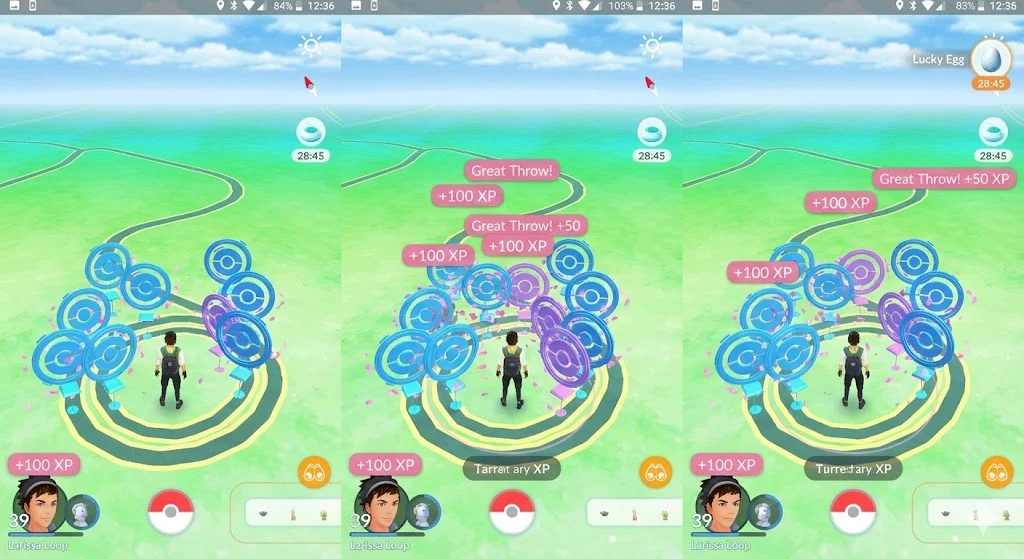
A Pokémon GO hotspot is any location where spawn density, PokéStop clustering, and biome type converge to create abnormally high catch rates for rare or Shiny Pokémon. These coordinates aren’t guesswork—they’re determined by Niantic’s spawn algorithm, which favors areas with a high POI (Point of Interest) density, meaning parks, university campuses, and downtown plazas consistently outperform residential areas. The densest hotspots typically feature 8+ PokéStops within a 100-meter radius, creating a “PokéStop soup” effect that triggers Nests, Incense spawns, and Lure Module stacking simultaneously.
Understanding the difference between a Nest and a Hotspot is critical for coordinate hunting. A Nest cycles a single species (like Eevee or Snorlax) every two weeks, while a true Hotspot is biome-driven and spawns a diverse rotating pool based on weather boosts, regional exclusives, and event modifiers. Coastal coordinates near piers or harbors reliably spawn Water-types like Magikarp, Wailmer, and Corsola, while urban coordinates with heavy foot traffic (train stations, malls) trigger higher Legendary Raid Boss availability due to Gym density. Cross-referencing community-sourced coordinate databases with in-game Nearby radar confirms legitimacy before you travel or activate Incense.
The final layer of hotspot analysis involves Spawn Point Saturation—a metric describing how many individual spawn points exist within your Incense/Lure radius. Locations with 15+ saturated spawn points guarantee near-constant Pokémon appearances every 60-90 seconds, drastically outperforming rural coordinates where spawns may take 15+ minutes. Trainers targeting Shiny hunts or Pokédex completion should prioritize saturation over aesthetics; a parking lot with 20 spawn points beats a scenic park with only 5.
How to Find and Unlock Rare Spawn Hotspots
Discovering hotspots requires combining in-app tools with third-party intelligence responsibly. The Nearby Tracker (bottom-right radar) reveals the six closest active Pokémon and their associated PokéStops, letting you triangulate spawn clusters in real time. Pair this with community-driven map tools that aggregate crowd-sourced spawn data—these platforms highlight confirmed Nest locations, seasonal event hotspots, and Regional exclusive zones (like Tauros in North America or Mr. Mime in Europe) that are otherwise invisible without physically scouting.
Unlocking hidden rare-spawn potential often hinges on event-based coordinate shifts. During Community Day, Spotlight Hour, or seasonal events, Niantic temporarily boosts specific species’ spawn weights globally, meaning even mediocre coordinates become temporary hotspots. Stacking this with Lure Modules (which affect all nearby trainers) or Incense (personal-use) at a high-saturation PokéStop cluster multiplies your rare-spawn odds exponentially. For Legendary Raid Bosses specifically, unlocking access means securing enough Raid Passes and coordinating five-star lobbies—if local Gym activity is thin, using a Pokémon GO Raid Service guarantees Shundo catches without relying on unpredictable regional player density.
Weather Boost synergy is the most overlooked hotspot-unlocking mechanic. Each weather condition (Rain, Sunny, Windy, Snow, Fog, Partly Cloudy) boosts specific typings’ spawn rates and CP potential by up to +25%, meaning checking the in-game weather icon before traveling to a coordinate is mandatory. A Water-type coastal hotspot during Rain conditions, for example, spawns higher-level Magikarp and Feebas with improved Shiny encounter odds, while Rock/Ground hotspots peak during Partly Cloudy weather—layering weather timing atop known coordinates is how veteran trainers consistently pull triple-15 IV Pokémon.
Top Global Coordinates for Shiny and Rare Pokémon
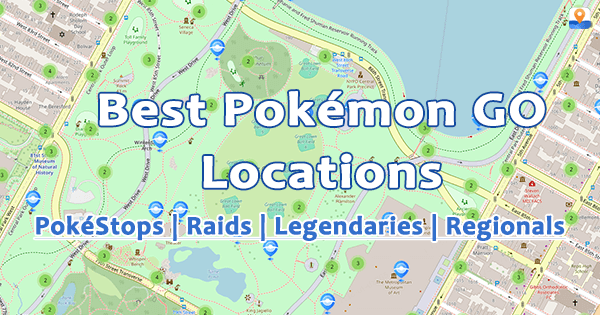
Certain real-world locations have earned legendary status among the Pokémon GO community for consistent rare and Shiny output. Vondelpark, Amsterdam remains a top-tier European hotspot due to its dense PokéStop network and mixed biome (water, grass, urban), regularly producing Shiny Dratini, Chansey, and seasonal Water-type spawns. In the United States, Central Park, New York City offers one of the highest PokéStop densities globally, with confirmed Snorlax and Lapras nests plus frequent Legendary Raid availability due to constant Gym battles.
- Yoyogi Park, Tokyo, Japan — High-density urban hotspot; strong Eevee/Pikachu nest, frequent regional-exclusive rotations
- Sydney Opera House Forecourt, Australia — Coastal biome triggers Water-type spawns plus consistent 5-star raid activity
- Vatican City, Italy — Extremely dense PokéStop cluster (religious landmarks count as POIs), excellent for Community Day stacking
- Millennium Park, Chicago, USA — Confirmed Dratini/Snorlax nest rotation with strong raid Gym coverage
- Kelvingrove Park, Glasgow, UK — Reliable Grass/Bug hotspot with frequent Shiny rate boosts during seasonal events
These coordinates share common traits: high POI density, mixed biome diversity, and active local player bases that sustain Gym rotations for raiding. If travel to these physical locations isn’t feasible, Remote Raid Passes let you battle Gyms tied to these hotspots virtually—though pass costs add up quickly, making Buy PokéCoins Cheap a smart way to stock up without overspending on in-game currency conversions.
Farming Tactics for Maximizing Hotspot Spawns
Efficient hotspot farming isn’t just about location—it’s about stacking mechanics to squeeze maximum value from every minute spent. The Golden Route Method involves circling a hotspot’s PokéStop cluster in a continuous loop, spinning every stop for Poké Ball replenishment while triggering new spawns via movement (spawns refresh based on distance traveled, not just time). Combine this with a rotating Incense-Lure combo: activate Incense for personal spawns while dropping Lure Modules on the two highest-traffic PokéStops in your loop for compounding spawn density.
- Stack Star Pieces + Lucky Eggs during Community Day hotspot farming to triple XP and Stardust gains simultaneously
- Use Pinap Berries on rare/Shiny candidates to double Candy yield for immediate evolution
- Prioritize Weather-Boosted spawns first, since they guarantee Level 25+ wild encounters with better IV floors
- Rotate hotspots every 30 minutes if spawns plateau, since Niantic’s server-side spawn refresh can stagnate on oversaturated single locations
Resource management becomes the bottleneck during aggressive hotspot farming, particularly Stardust needed for powering up rare catches to raid-ready or PvP-ready CP thresholds. Since farming alone can take weeks to accumulate enough Stardust for Master League-caliber Pokémon, many competitive trainers supplement grinding with a Pokémon GO Stardust Service to instantly bridge the gap and start powering up Shundos the same day they’re caught, rather than waiting on unreliable daily farming caps.
FAQ: Best Pokémon GO Coordinates & Hotspots Guide
What makes a coordinate a “hotspot” in Pokémon GO?
A hotspot has high PokéStop/Gym density, diverse biome overlap, and consistent spawn point saturation, producing significantly more frequent and higher-quality Pokémon encounters than average locations.
Can I use Pokémon GO coordinates without physically traveling?
Yes, via Remote Raid Passes for Gym battles tied to specific coordinates, though wild spawns still require either physical presence or GPS spoofing, which violates Niantic’s Terms of Service.
How often do Nest locations rotate?
Most Nests rotate every two weeks, aligning with Niantic’s biweekly server maintenance cycle, though special event Nests can shift mid-cycle during major updates.
Do weather conditions really affect hotspot spawn quality?
Yes, weather boosts increase both spawn rate and CP/IV floor for matching typings by up to +25%, making weather-timing essential for serious Shiny and high-IV hunting.
Is it worth traveling internationally for regional-exclusive hotspots?
Only if paired with a broader travel plan; regional exclusives like Tauros, Kangaskhan, or Mr. Mime are catchable through trading or event rotations without international travel.
Ready to skip the grind? Explore guaranteed Shundo raids, instant Stardust boosts, and full account leveling services at BoostMyPoke.com — your fastest path to competitive Pokémon GO dominance.