
Twilight Trails Season 2026: Full Event Guide & Bonuses
Twilight Trails Season 2026: Full Event Guide & Bonuses
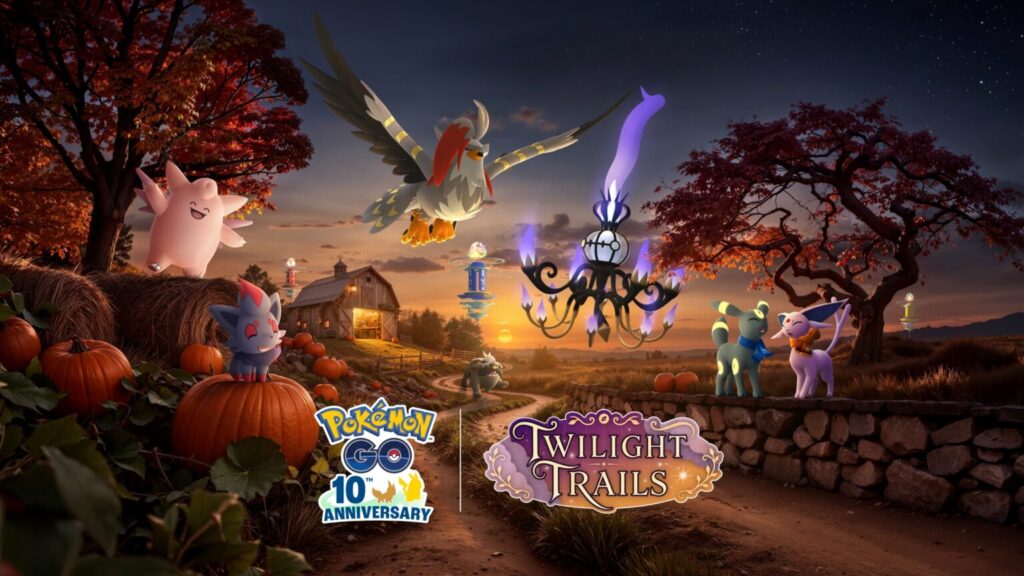
Trainers searching for the Twilight Trails Season 2026 guide want to know exactly when the next Pokémon GO Season begins, which bonuses carry over, and which wild spawns and raid bosses will define the meta. As of this writing, Niantic has not yet published the official Season page for Twilight Trails on Leek Duck or pokemongo.com, so this guide documents the confirmed Season framework, historical bonus patterns, and the mechanics you can rely on the moment the official rollout drops. Bookmark this page — we update every section the instant Leek Duck and r/TheSilphRoad confirm hard dates and boss lineups.
Twilight Trails Season Overview, Dates & Key Bonuses
Pokémon GO Seasons typically run for roughly three months and reset core progression systems while introducing a fresh biome theme, Special Research arc, and seasonal Field Research rewards. Twilight Trails is positioned as the next entry in this rotation, and based on Niantic’s established quarterly cadence (Seasons have consistently launched in March, June, September, and December in recent years), trainers should expect an official start-date announcement roughly 1-2 weeks before launch via the in-game news feed and pokemongo.com. Until Niantic confirms the exact date, treat any third-party “leaked” calendar as unverified — always cross-check against Leek Duck’s official Season tracker before planning raid days off or vacation time around it.
Historically, Season bonuses have included increased Incense effectiveness while stationary, extended Lure Module duration, adjusted Egg hatch distances for specific pools, and a rotating Buddy walking bonus. Twilight Trails is expected to maintain this bonus template while introducing a “dusk-to-dawn” visual theme affecting Lure animations and possibly a new Adventure Effect tied to Incense. Trainers should also anticipate a Season-long Timed Research or Special Research storyline offering guaranteed Stardust, Rare Candy, and an Encounter with a themed Pokémon. Because paid content like Season Passes or ticketed Timed Research can add up quickly in real spending, using Buy PokéCoins Cheap is the safest way to stock up on Raid Passes and Incubators before the Season’s ticketed content goes live, without overpaying through the in-game store.
Featured Wild Spawns, Egg Pools & Shiny Debuts Guide
Seasonal spawn rotations in Pokémon GO are built around a themed biome roster — grassy, forest, mountain, or twilight/dusk-adjacent Pokémon typically headline the wild encounter pool. Given the “Twilight” naming convention, expect Dark-, Ghost-, and Psychic-type species (echoing past twilight-themed events like Luminous Legends) to dominate spawns, alongside a rotating cast of regional exclusives tied to real-world dusk hours. Until Leek Duck’s official spawn chart is published, avoid trusting unofficial spawn leaks; only confirmed rosters should factor into your route planning.
Egg pools during Seasons are refreshed at launch and typically split across 2 km, 5 km, 7 km (event-only), 10 km, and 12 km (Team GO Rocket) tiers, with Shiny-eligible species seeded into the 5 km and 10 km pools most often. Shiny debuts are the highest-value target for completionist trainers, and Niantic usually confirms new Shiny forms in the official Season blog post alongside boosted-rate species during launch week (boosted wild encounters often sit near the 1/64 rate versus the base 1/512). If Twilight Trails debuts a new Shiny and you want a guaranteed clean catch instead of gambling hundreds of Poké Balls on RNG, farming via a coordinated raid-catch approach — or outsourcing the hunt entirely — remains the fastest path to a verified Shundo.

Max Battles, Mega Raids & GO Pass Tier Rewards
Max Battles and Mega Raids continue to run in parallel raid tiers throughout Seasons, with Mega Raid bosses typically rotating every 2-4 weeks and Max Battle bosses cycling through Dynamax/Gigantamax-style encounters tied to Max Monday events. Twilight Trails’ specific boss lineup has not been published as of this writing; official confirmation will list exact 1-star, 3-star, Mega, and 5-star Legendary bosses on Leek Duck’s raid boss page the same week the Season launches. Below is the general raid-tier framework you should expect to see populated once bosses are confirmed:
| Raid Tier | Typical Boss Type | Shiny Eligible | Notes |
|---|---|---|---|
| 1-Star | Common/Season-themed | Sometimes | Solo-friendly |
| 3-Star | Mid-evolution/Mega precursor | Yes (usually) | Duo/trio viable |
| Mega Raid | Rotating Mega Evolution | Yes | Requires Mega Energy |
| 5-Star Legendary | Featured Legendary | Yes (~1/20 rate) | Best with 4-6 trainers |
| Max Battle | Dynamax/Gigantamax rotation | Varies | Max Particles required |
GO Pass (the free/premium Season track) rewards typically scale across leveled milestones, granting Poké Balls, Incubators, Star Pieces, and cosmetic avatar items, with premium tiers unlocking bonus Stardust and exclusive stickers. If your roster is short on 5-star Legendary counters or you keep losing remote pass battles to disconnects and underleveled friends, the Pokémon GO Raid Service guarantees Legendary catches and Shundo-quality IVs without burning through your limited daily remote passes.
Farming Strategies, Route Tips & Resource Optimization
Efficient Season farming hinges on stacking bonuses correctly: activate Incense during Community Day-adjacent hours, run Mossy/Glacial/Rainy Lures back-to-back at PokéStop clusters to extend spawn density, and always complete daily Field Research before resetting at local midnight to avoid losing free Raid Pass progress. Prioritize 7 km eggs during ticketed event weeks since these slots often carry exclusive regional or Shiny-boosted species unavailable in standard 5 km/10 km pools. Pair this with Adventure Sync weekly rewards (25 km and 50 km tiers) to stack free Incubators and Poké Balls without spending real currency.
For trainers optimizing Stardust for Level 50 XL Candy grinding or mass power-ups ahead of new raid bosses, remember that Stardust bonuses during Community Day and Season launch weekends (commonly 2x-3x multipliers) are the most efficient windows to farm — but grinding hundreds of thousands of Stardust manually across weeks is often impractical for working trainers. The Pokémon GO Stardust Service bypasses that entire grind, delivering the Stardust reserves needed for XL Candy conversion and Master League investment instantly rather than over weeks of Lure-hopping.
Frequently Asked Questions
When does Twilight Trails Season 2026 start?
Niantic has not published an official start date. Check Leek Duck’s Season tracker or pokemongo.com for the confirmed launch announcement closer to the transition window.
Will Twilight Trails introduce new Shiny Pokémon?
Possibly. New Shiny debuts are confirmed only in Niantic’s official Season blog post at launch; unverified leaks should not be trusted.
What is the shiny rate during boosted Season spawns?
Boosted wild spawns during featured events typically reach approximately 1/64, compared to the base wild rate of 1/512.
Do Season bonuses stack with Community Day bonuses?
Yes. Season-wide bonuses like Incense duration typically stack additively alongside Community Day-specific XP and Stardust multipliers.
How do I find guaranteed raid boss counters?
Cross-reference PvPoke and Leek Duck’s type-effectiveness charts for the confirmed boss, prioritizing 1.6x weakness or 2.56x double-weakness counters.
Ready to skip the grind entirely? Whether you need guaranteed Legendary raid catches, a Stardust boost for Level 50 XL grinding, or a fully leveled Shiny-ready account, BoostMyPoke.com delivers verified, fast, and safe Pokémon GO boosting services so you spend more time enjoying Twilight Trails and less time farming for it.